Have software built that fits the way you work.
When information gets lost between spreadsheets, emails and separate systems, it pays to take a close look at the process. Appnity from Baar develops custom software that connects tasks, data and people. Together we work out which solution helps your company and which first step makes sense.
Lake Ägeri, Canton of Zug
What should work better day to day?
Custom software makes sense when important workflows can only be mapped awkwardly with the tools you already have. Examples are multi-stage approvals, scheduling of field assignments or a customer portal with different permissions. What matters are recurring tasks, sources of error and the benefit of an improvement.
Sometimes configuring a standard solution or connecting existing applications is enough. That is why we first look at the entire process. For teams in Switzerland, Germany and Austria, it also matters who maintains the data and which information other people involved really need.
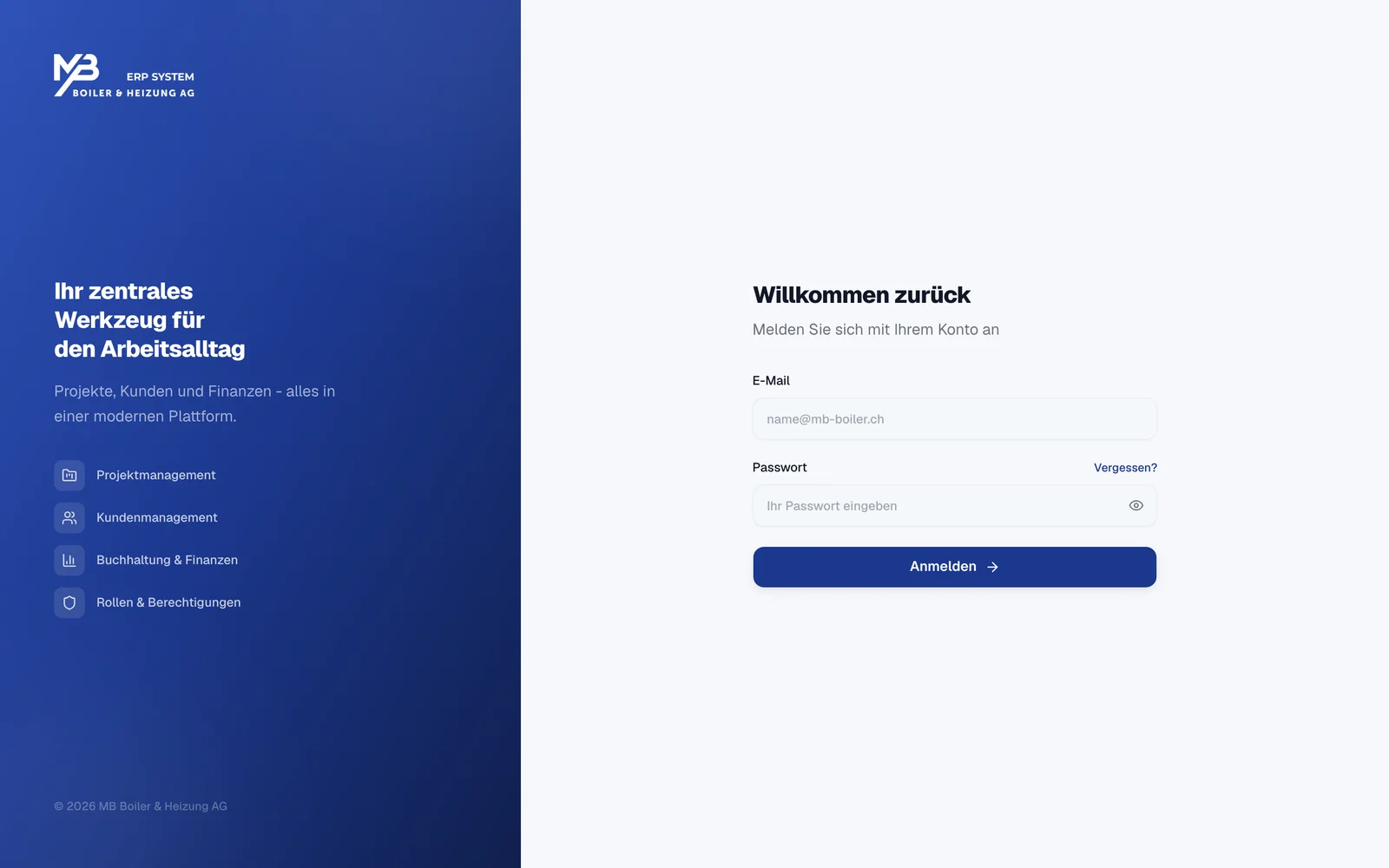
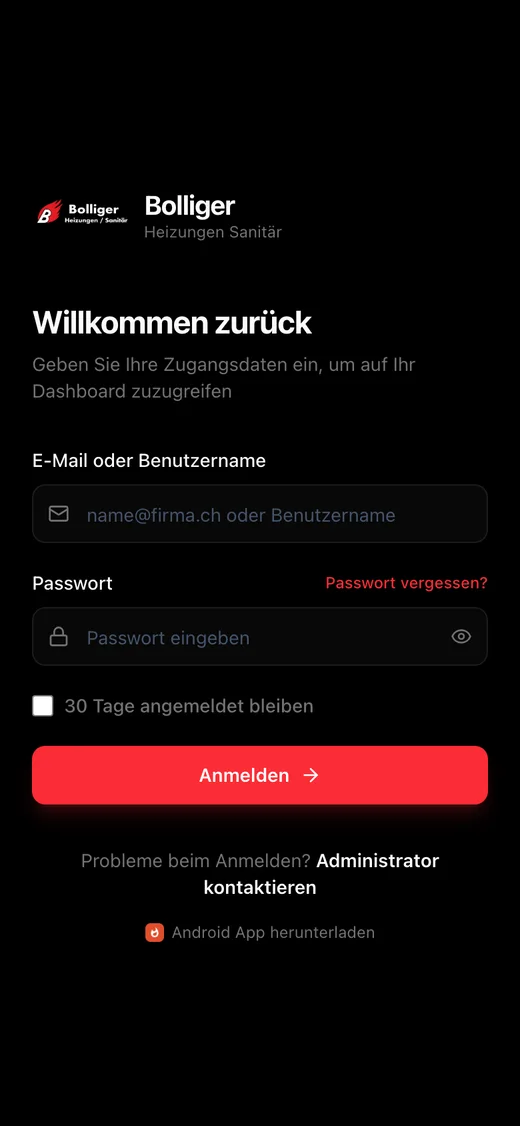
Develop step by step. Validate early.
A clearly defined initial scope makes decisions easier. The MVP is a first usable version for the most important use case. Further features are prioritised based on feedback.
-
Understand
We clarify goals, user groups, data and existing systems. This results in prioritised requirements and transparent acceptance criteria.
-
Make it tangible
Screens and a prototype show how tasks will be done in future. The people who will work with it check usability and missing steps.
-
Build and test
Development happens in verifiable increments. Tests cover roles, inputs, interfaces and error cases, complemented by joint business acceptance reviews.
-
Roll out and learn
Data migration, training and rollout are prepared. Experience from daily use then helps to choose the next improvements wisely.
What drives the cost?
The effort depends on the functional scope and the technical constraints. A reliable estimate takes more than counting screens. Particularly relevant are:
- Workflows and roles: Which rules, approvals and exceptions must the software handle?
- Data and interfaces: How readily available are legacy data, documentation and access?
- Operational requirements: What availability, load, security measures and support are needed?
- Rollout and further development: Which training, migrations and later extensions are planned?
In the project discussion we narrow down these factors. Development, external services and ongoing operation should be shown separately and transparently in the offer. Changes to the agreed scope are assessed before they are implemented.
Include existing systems.
Custom software can complement an existing CRM, ERP or accounting system. To do so, we check available interfaces, access rights and the rules of the respective vendors. Data exports and a controlled migration can also be part of the solution.
For each piece of information, it should be clear which system is the reliable source. Synchronisation, duplicate records and failed transfers need clear rules. That keeps an interface verifiable and maintainable in daily use. For mobile tasks, we also clarify whether a web application is enough or whether a dedicated app makes sense.
- Existing systems CRM, ERP or accounting system
- Interfaces checked for access rights and vendor rules
- Your software with clear rules for synchronisation and transfers
Operation is part of it from the start.
Before launch, we agree on responsibilities for hosting, updates, backups and support. Recovery, monitoring and how incidents are handled also belong in the plan. Which services are included and how support can be reached is defined per project.
For personal data, we look at access, storage locations, deletion options and the service providers involved. A Swiss company address alone says nothing about where an application is hosted. That location is chosen deliberately and documented. Rights to the source code, access, documentation and handover are likewise settled in the contract.
Planned from the start
- Hosting
- Updates
- Backups
- Support
- Recovery
- Monitoring
Settled in the contract
- Source code rights
- Access
- Documentation
- Handover
Before the first conversation.
Question not answered? Write to usWhat does “having software developed” mean?
You commission a development team to build an application for your specific tasks, users and workflows instead of adapting ready-made standard software. This is also called custom software. Appnity takes care of analysis, design, programming and testing; operation, support and further development are agreed together.
Do we need a finished requirements specification?
No. A description of your situation, key tasks and current difficulties is enough for a first conversation. Existing documents help but are not a prerequisite. The requirements can be structured together.
How long does development take?
That depends on scope, interfaces, the state of the data and the availability of contact persons. Once the project has been scoped, stages, dependencies and acceptance reviews can be planned. A flat estimate without this groundwork would say very little.
Can we start with one sub-process?
Yes. A sensibly delimited process is a good first step if it delivers a verifiable benefit. Later connections and shared data should already be considered.
Does existing software have to be replaced?
That is decided based on your requirements. An integration or a targeted addition may be enough. A replacement should be considered when limitations, operation or missing interfaces prevent sensible further development.
Which process is costing you time today?
Describe your situation and the result you want. Appnity GmbH in Baar is your contact for the next steps.