Your own app. With a clear first step.
Would you like an app that makes a specific task easier for your customers or your team? Appnity in Baar helps turn the idea into a usable product. We start with the people, their needs and a sensible first scope — and derive design and technology from there.
Zug, Old Town with the Zytturm
Where and how will your app be used?
An app for service technicians on the road has different requirements from a customer portal used at a desk. The usage situation, the device features needed and the distribution channel determine which technical solution fits.
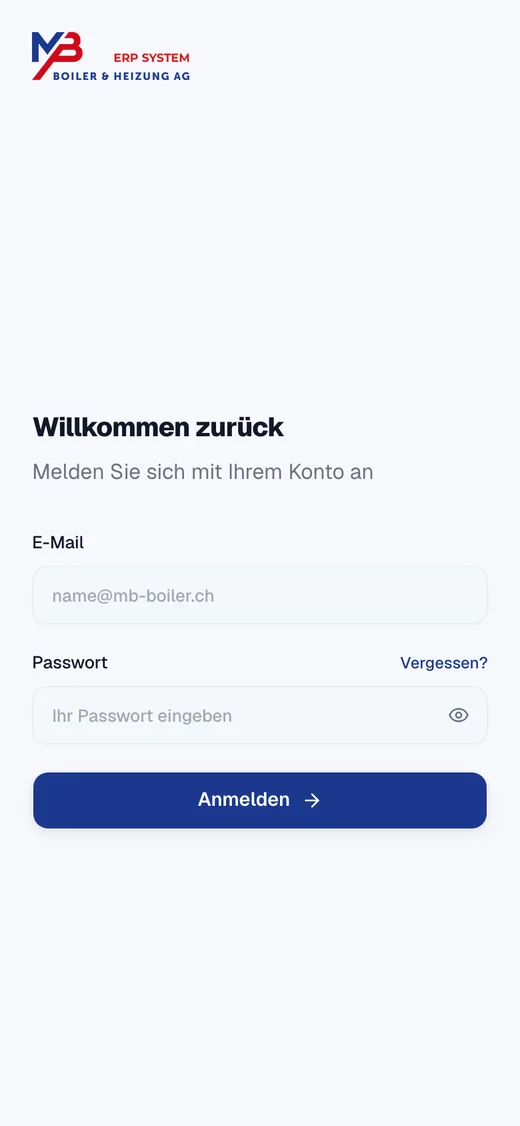
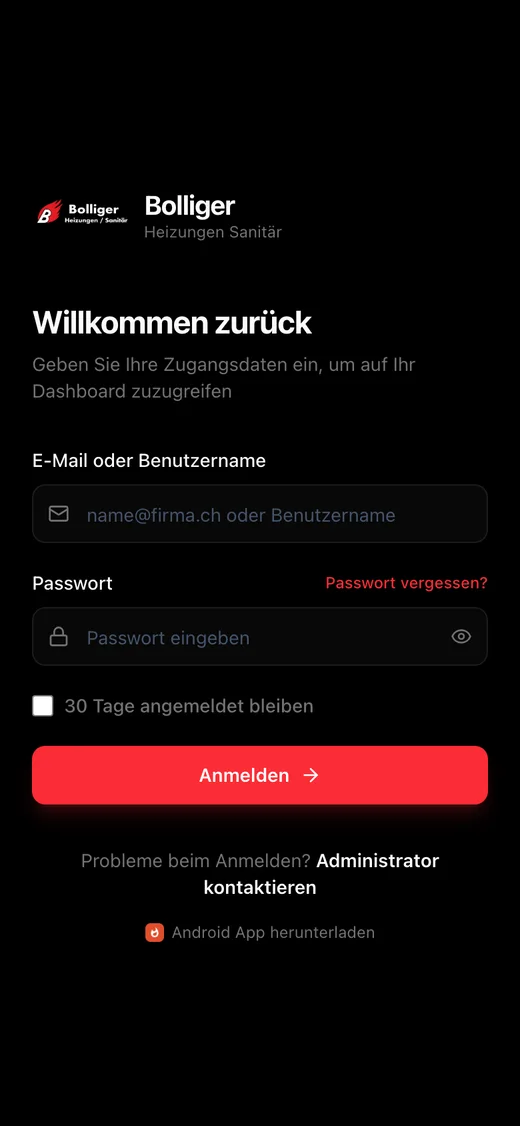
-
Web app
A web app is reached through the browser and can be updated centrally. It often suits portals, bookings and internal tools. Device access and offline features have to be checked for the intended browsers.
-
Native app
A native app is developed for one specific platform. It can make sense when deep device integration or particular demands on usability and performance matter. iOS and Android each need attention in development and maintenance.
-
Cross-platform app
Shared code can support building for several platforms. Even so, testing, permissions and individual features remain dependent on the operating system. The benefit depends on the actual feature set.
The decision
We compare reach, device features, offline needs, publication and ongoing effort. An App Store listing alone is no reason to rule out a browser-based solution.
What does the first version need to do?
A minimum viable product, or MVP for short, is a first usable version with a clear core purpose. For a booking app, that could mean: find an available appointment, book it and receive the confirmation. Which features belong in it depends on your target audience.
We separate the steps that are necessary from later extensions. Sign-in, data protection, error messages and accessibility have to be considered in line with how the app is used. A smaller scope should still allow a complete flow. Feedback and agreed success criteria then show what is needed next.
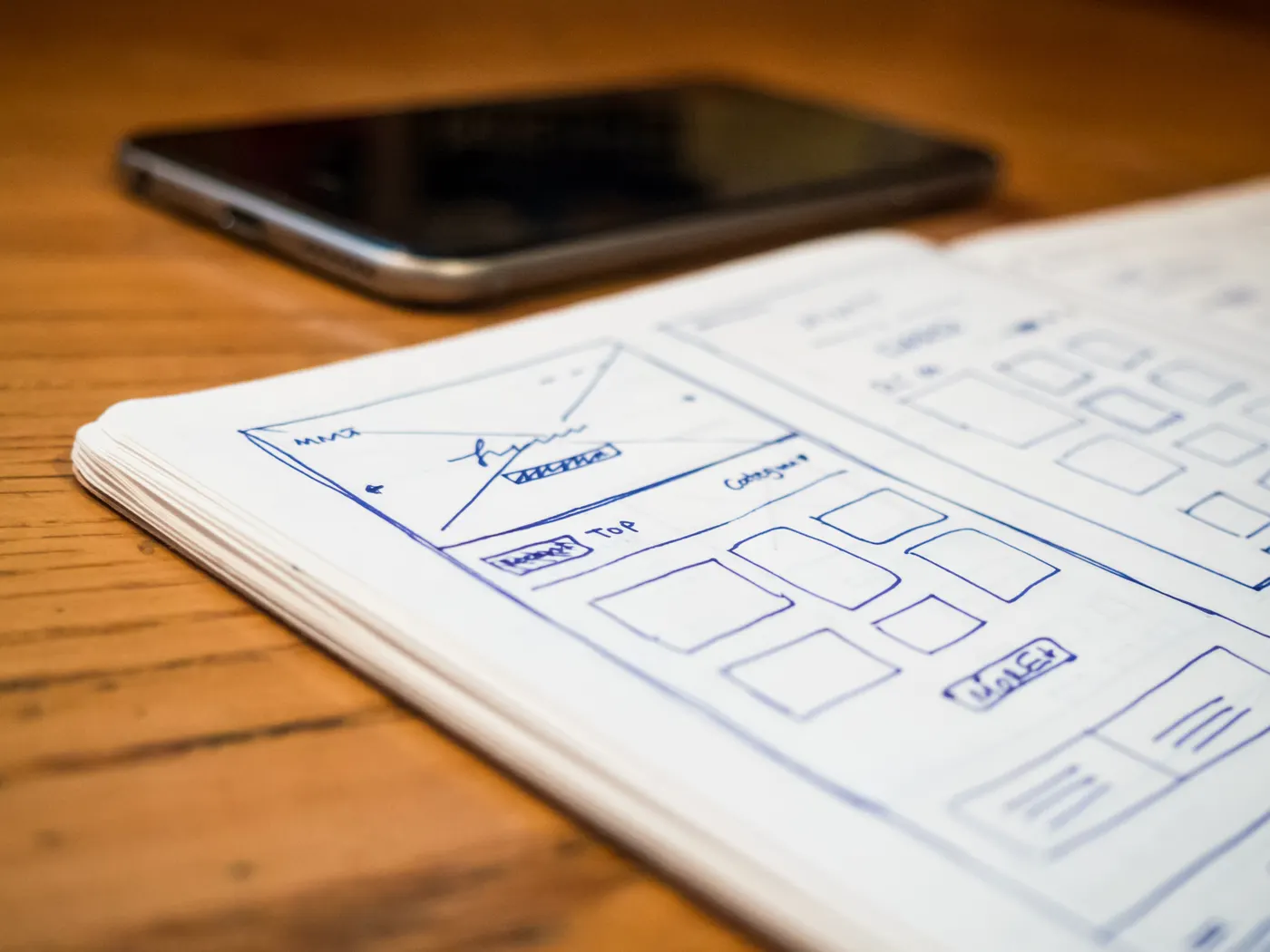
Get your idea into your hands early.
-
Goals and requirements
We clarify target audience, business model, data and existing systems. The result is a defined scope with clear priorities.
-
Usability and prototype
A clickable draft makes the most important paths visible. Feedback from future users helps check clarity and missing steps before development.
-
Development and testing
Features are built and signed off step by step. We look at different screen sizes, devices, permissions and difficult situations such as dropped connections.
-
Release and feedback
Depending on the platform, deployment or store submission is prepared. After launch, support feedback and suitable usage data help with further decisions.
What does your own app cost?
A reliable estimate needs a concrete scope. Costs arise from design, platforms, roles, interfaces and testing, among other things. Offline use, payments or data synchronisation can add complexity.
Planning also includes ongoing expenses: hosting, external services, maintenance and, where applicable, developer accounts with platform providers. Together we define the first version and make assumptions and dependencies transparent. The schedule also takes into account available content, decisions and external approvals. Without this groundwork we do not quote flat prices or dates.
What determines the effort
- Design
- Platforms
- Roles
- Interfaces
- Testing
- Offline use
- Payments
- Data synchronisation
Ongoing expenses
- Hosting
- External services
- Maintenance
- Developer accounts (if needed)
Plan data, interfaces and operations from the start.
Many apps need a service running in the background, for example for user accounts, bookings or shared data. We clarify which information is stored there, who may access it and which existing systems should be connected. The availability and quality of the interfaces are checked early.
Before launch, storage locations, backups, updates and responsibilities are agreed. Operating system changes and external services may require adjustments later. How incidents, data export and handover are handled also belongs in the agreement. For comprehensive internal processes, you will find more information on custom software development.
- Your app as a native app or in the browser
- Background service User accounts, bookings, shared data
- Existing systems connected through tested interfaces
What you should know in advance.
Your question is missing? Write to usHow much does it cost to have an app built?
That depends mainly on the feature set, platforms, interfaces and design. A first version with a clearly limited scope costs less than a platform with many roles and data synchronisation. Once the scope is defined, you receive a transparent estimate with services and assumptions; without that basis we do not quote flat prices.
Is an idea enough for the first conversation?
Yes. Describe the target audience and the problem your app should solve. Sketches, examples and known requirements help. A finished design or technical concept is not a prerequisite.
Does my app have to be in the App Store?
That depends on how it is used. A web app can be reached directly via a link. Publishing in app stores means meeting the providers’ current requirements and their review processes.
Can the app work without the internet?
Certain tasks can be made available offline. That requires planning for local storage, later synchronisation and possible data conflicts. Which features are available offline is therefore defined explicitly.
Who owns the source code and developer accounts?
Rights to the source code, licences used, account ownership and required access are agreed in the contract. These points should be settled before work begins, so that operation and any later handover remain transparent.
Which task should your app make easier?
Tell us about your idea. Appnity GmbH in Baar supports app projects for companies in Switzerland and the DACH region.